Mood Boost: A Font That Makes Your Craft Products Smile
As a maker, I’ve spent countless hours searching for fonts that don’t just look nice, but feel right. They need to carry the personality of my brand and connect emotionally with my customers. When I found Mood Boost, I knew I’d found something special. It’s more than just a collection of letters; it’s a visual tone of voice. Mood Boost is that rare display font that manages to be both whimsical and completely legible, a combination that’s gold for anyone creating physical products or digital designs.
The Charm of Mood Boost's Personality
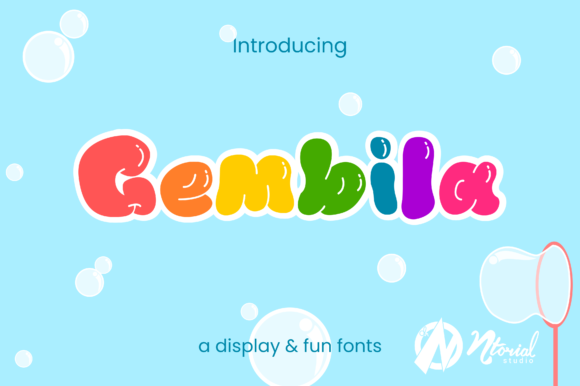
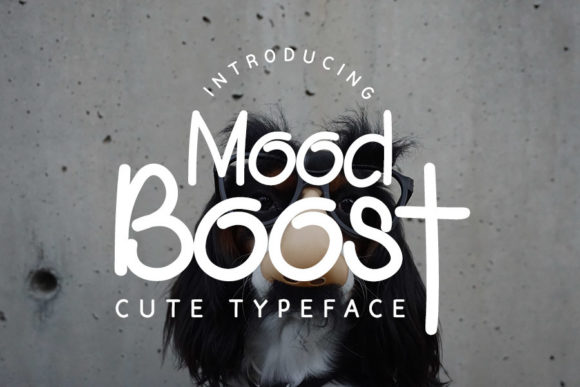
Let’s describe its style: think of a friendly, rounded script with a gentle bounce. The characters feel optimistic and approachable. It’s not overly formal or childish; it sits perfectly in that sweet spot of "cute but commercial." This makes Mood Boost incredibly versatile. Whether your brand vibe is modern farmhouse, playful boutique, or heartfelt stationery, this font can adapt. Its inherent charm elevates the perceived quality of anything you put it on. A simple tag written in Mood Boost looks intentional and designed, not just typed.
Putting Mood Boost to Work on Your Products
This is where the magic happens for crafters and sellers. Mood Boost shines as a display font, meaning it’s perfect for titles, short phrases, and decorative wording where you want to make an impact. I use it extensively for product labels. Imagine it on a hand-poured candle label: “Vanilla Dream” suddenly feels warmer and more inviting. On a sticker for a planner kit, “Weekly Goals” looks motivating instead of stern. For a wedding welcome sign or a birthday invitation, the font adds a layer of celebration and joy without needing extra decoration.
Consider these specific, real-world applications:
- Handmade Product Packaging & Tags: Boutique soap labels, bakery tags, coffee bag branding, ceramic mug inscriptions.
- Seasonal & Holiday Designs: “Merry & Bright” on Christmas ornament packaging, “Happy Easter” on printable basket tags, “Fall Harvest” on market sign boards.
- Greeting Cards & Stationery: The main sentiment on a birthday card (“You’re the Best!”), the header on a wedding invitation suite, thank you notes.
- Home Decor & Wall Art: SVG designs for cutting machines to create wooden signs with phrases like “Gather” or “Welcome Home,” digital printables for framed kitchen art.
- Apparel & Merchandise: T-shirt designs with a single empowering word like “Create,” tote bags with a shop’s name, heat transfer vinyl projects.
Readability and Production Practicalities
A beautiful font that can’t be read or cut cleanly is useless to a maker. Thankfully, Mood Boost’s design balances artistry with clarity. When using it on small items like sticker sheets or product tags, I recommend keeping phrases short and allowing for generous spacing. Its friendly curves translate beautifully on cutting machines like Cricut or Silhouette—the letters are distinct enough for clean cuts in vinyl or cardstock. For printed items like invitations or cards, it renders crisply at various sizes. Always do a test print or a mockup preview, especially for longer words, to ensure the bounce of the letters doesn’t compromise legibility for your specific use.
Building a Cohesive Look with Font Pairing
Mood Boost is expressive, so it loves to be paired with a simpler, supportive typeface. This creates a professional, layered design that guides the customer’s eye. My go-to strategy is to let Mood Boost handle the main headline—the product name, the key sentiment, the title—and then use a clean, neutral sans serif font for all the supporting details. For example, on a product label, “Lemon Verbena” would be in gorgeous Mood Boost, while the ingredients list and weight would be in a straightforward sans serif. This pairing makes the decorative font pop and ensures all necessary information is easily digested. For a more classic feel, you could even pair it with a simple serif font.
Technical Details for the Practical Creator
Before committing to a new font, I always dig into its features. A robust font file is a working asset. Look for included alternates or ligatures in Mood Boost—these allow you to swap out certain letters for variations, adding even more custom flair to a project. Check the supported file formats to ensure they work with your design software (like Adobe Illustrator, Canva, or Affinity Designer) and cutting machine software. Multilingual support is also crucial if you sell internationally or have clients with diverse needs. These details turn a pretty font into a professional design tool.
A Essential Note on Commercial Licensing
This is perhaps the most important paragraph for sellers. When you use a font like Mood Boost on physical products you sell, on digital printables or templates you offer as downloads, or on merchandise like shirts and mugs, you must have the proper commercial license. Most premium fonts, including Mood Boost, require this. It’s not just ethical; it protects your business. Always verify the license terms before using any font commercially. A proper license typically allows you to use the font for selling your finished products and often for client work (like designing invitations for a customer). It’s a small step that ensures your creative business is built on solid, legal ground.
In the end, Mood Boost has become one of my most reliable creative assets. It doesn’t just make my designs look better; it makes them feel more cohesive and intentional. It speaks directly to my customers in a voice that’s friendly and memorable. For any crafter, handmade seller, or digital creator looking to infuse their work with a dose of warmth and whimsy, this font is a genuinely powerful tool. It’s the detail that transforms a simple label into a brand statement and a plain card into a keepsake.