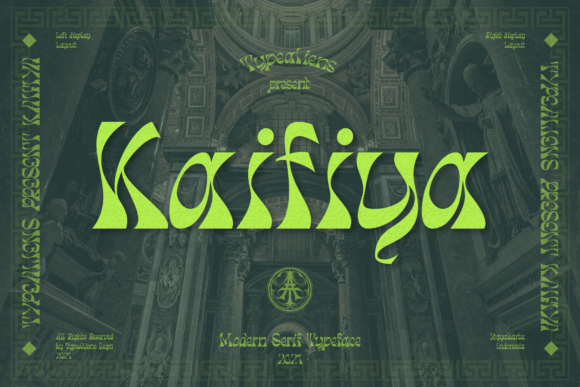
The Kamadatu Font: A Maker's Favorite for Elegant Product Design
The fragrance of warm vanilla drifted through my craft room, but my focus was on the screen. I was designing the label for my new candle line, staring at a dozen font options, and none felt right. Some were too playful, others too severe. Then I clicked on Kamadatu. Instantly, the elegant curves and confident, modern letters transformed the simple words "Vanilla & Oak" into a statement. It was no longer just a label; it became a piece of the brand's story. That moment—finding the perfect typeface that elevates a simple product into something special—is what makes Kamadatu such a valuable tool in my creative toolkit.
A Display Font with Charisma and Grace
Kamadatu is a modern display font that carries a unique personality. It isn't overly ornate or fussy, but it possesses a quiet confidence. The characters have a classy, elegant look with a touch of daring—the slight flair in the capital letters, the balanced proportions. This visual charm creates a mood of sophistication and intentionality. For a maker, that mood translates directly to your products. Whether stamped on a cotton tote bag or printed on a crisp wedding invitation, Kamadatu communicates care and quality. It’s a font that feels premium without being inaccessible, elegant without being stiff.
Bringing Kamadatu to Life Across Your Shop
The beauty of a versatile display font like Kamadatu is how it seamlessly adapts to different mediums. I’ve used it across my entire range of handmade items and shop materials.
- Labels & Packaging: It’s my go-to for soap labels, candle stickers, and boutique product tags. The clear, distinct letterforms ensure the product name is legible even on small jars, while the style elevates the entire presentation.
- Stationery & Invitations: For wedding invitations, birthday cards, or seasonal greeting cards, Kamadatu adds a layer of formal elegance. It’s perfect for the main event name, the couple’s names on a welcome sign, or the header on a wedding program.
- Home Decor & Wall Art: In printable wall art, whether a motivational quote or a farmhouse-style kitchen sign, Kamadatu gives the words weight and presence. It turns a digital download into a statement piece.
- Apparel & Merchandise: When designing for mugs, t-shirts, or tote bags, you need a font that reads well from a distance and has a stylish impact. Kamadatu works beautifully for short shop slogans or featured words on these physical goods.
- Branding & Digital Presence: Consistency is key. Using Kamadatu for your logo, social media graphics, and Etsy shop banner creates a cohesive brand identity that customers begin to recognize and associate with your craft.
How Typography Shapes Customer Perception
Choosing a font is never just about aesthetics; it’s a design decision that affects how your work is perceived. When I switched my main product line to use Kamadatu consistently, the change was subtle but powerful. The uniform, elegant typography across my labels, packaging inserts, and shop graphics made my offerings feel more cohesive and professionally crafted. It supports an emotional appeal—that sense of receiving something thoughtful and well-made. For customers browsing online, clean, attractive typography in your listing images and mockups can significantly boost engagement, making them pause and look closer at your product story.
Practical Advice for Using Kamadatu in Your Projects
Kamadatu is designed as a display font, which means it excels at shorter, prominent text. It’s ideal for product names, titles, headlines, decorative wording, and logos. I wouldn’t use it for long paragraphs of body text on a brochure, as its detailed character design is meant to shine in spotlight roles. For those longer sections, pairing Kamadatu with a simple, clean sans-serif or a neutral serif font creates a beautiful and readable hierarchy. On a wedding invitation, for instance, Kamadatu might grace the names and date, while a complementary font handles the details and directions.
Readability and Production Considerations
Always test your designs in context. For physical products, consider size and medium. When printing Kamadatu on small stickers or intricate cutter-machine designs, ensure the letters are large enough to maintain their elegant details and remain crisp. For mockups and digital previews, the font renders beautifully on screen, making it excellent for showcasing printable wall art or digital planner pages. Its strong, defined shapes also work well when transferred to fabrics or ceramics, as they don’t bleed or lose definition easily.
Essential Steps Before You Sell
As a commercial creator, it’s crucial to do your due diligence with any font. Before using Kamadatu on physical products, templates, or digital downloads you intend to sell, please verify its licensing. Ensure the license covers commercial use for merchandise and printables. Check the included file formats to confirm they work with your software—whether you’re using Adobe Illustrator, Canva, or cutting machine software. Also, explore if the font includes useful alternates, ligatures, or swashes that can add even more customization to your designs. Some fonts offer multilingual support, which is worth confirming if your market extends beyond English. Investing in a properly licensed commercial font protects your business and respects the type designer’s work.
A Creative Partner for Every Season
One of the joys of Kamadatu is its adaptability to seasonal craft designs. For autumn, I’ve used it on "Pumpkin Spice" candle labels and "Harvest Gathering" printable table signs. For winter, it lends a crisp elegance to "Happy Holidays" card headers and "New Year" wall art. Its modern elegance isn’t tied to a specific trend, making it a reliable, year-round asset. It’s that font you can reach for when designing a minimalist spring wedding invitation or a bold summer market tote bag, knowing it will carry the design with grace.
Ultimately, Kamadatu has become more than just a font in my design library. It’s a creative partner that helps translate the care I put into my handmade products into a visual language my customers can see and feel. From the first mockup on my screen to the final product in a customer’s hands, it adds a layer of thoughtful design that makes all the difference.